
How to Keep Cool

Complete Car Care • July 9, 2016

Share this article

How to Keep Cool

Hello 93636,
Just a few tips to help you “do-ityourselfers” understand and properly diagnosis your vehicle’s cooling system. In this hot weather it may just come in handy.

Let’s start by checking and servicing your vehicle’s cooling system. If you drive a Toyota Prius or newer Ford diesel pickup, you have two separate and independent cooling systems. Check both. In the case of the Prius, one cooling system is for the gasoline engine and the second is for the hybrid high voltage electrical system.

If your vehicle has a radiator with a radiator cap, check the coolant level there. You should be able to visually see the coolant inside the radiator neck. The color of the coolant will differ depending on the type of coolant and vehicle manufacture. Turn the radiator cap over and inspect the large and small rubber seals for cracks. Replace the cap if any are found. For safety, only check the coolant level when the engine is cool.

If the cooling system is low, top it off. Use coolant, not water. Some beneficial properties of coolant over water are: It raises the boiling point; lowers the freezing point; inhibits rust and; lubricates the water pump. DO NOT use one size fits all coolant. Use only the coolant designed specifically for your vehicle. If you cross-mix coolants, they can create a gel. When that happens you have big problems. BE CAREFUL! There should be a manufacturer’s coolant information label somewhere under the hood. Use it. If not, get the owner’s manual from the glove box. If you don’t know which coolant to use or the proper coolant is not available, use distilled water. Do not use tap water if possible. We don’t want an adverse chemical reaction from fluoride, chlorine or whatever else is in the tap water and I certainly don’t want particles of iron circulating throughout the cooling system and grinding on things like plastic water pump impellers. By the way, the cooling system service intervals are listed on the label and in the owner’s manual. Service the cooling system on time. Coolant does wear out.

Many vehicles have cooling sys tems with the fill cap mounted on top of the expansion tank. If you inspect the expansion tank, you will see a cold and warm full mark. If the engine is warm, the coolant level in the expansion tank should be at the upper mark or warm level. In the morning when the coolant is cool, the coolant level should be at the lower mark, NOT THE TOP ONE. I don’t trust these systems to accurately display the correct coolant level. Look inside the radiator whenever possible. Here’s my explanation: When coolant temperature increases, the coolant expands into the expansion tank. When coolant temperature decreases and the coolant contracts, a vacuum is created in the cooling system drawing coolant out of the expansion tank and back into the cooling system. The radiator is ALWAYS FULL, hot or cold. But if the cooling system has a leak (not sealed), the expansion tank can lie. Outside air can be sucked into the cooling system instead of coolant from the tank. The unintended consequences are an air pocket in the cooling system and the expansion tank will always show full (TOP MARK) even if the system is cool and/or the Radiator is empty. If you verify the expansion tank level is active, then – and only then – can it be a trusted coolant level indicator.

Some other indicators of a low cooling system are the heater does not blow hot air. There may not be enough coolant to circulate through the heater core. Also, the coolant temperature gauge on the dash is fluctuating. It should be rock solid. If the gauge is fluctuating it is an indication of air pockets passing by the coolant temperature sensor. If the cooling system is consistently low, have it pressure checked for leaks.

Here’s some more overheating diagnostic tips I’ve learned over the years: If your vehicle overheats only when the vehicle is stopped or in stop and go traffic, suspect the radiator cooling fan is inactive. When traveling down the road the cooling system is not dependent on the cooling fan because air is being rammed through the radiator from the motion of the vehicle. When the vehicle stops, the rammed air also stops and the cooling system becomes dependent on the cooling fan. If the fan is inactive, overheating.

DIAGNOSTIC TIP #1: Get out and see if your cooling fan is spinning. Next, place a hand towel over the vehicle’s grille. If the fan is efficient, it will suck enough air through the grille to pin the towel. Next, turn the engine off and see that the towel does fall off. If the towel was not pinned, I start my diagnosis with the cooling system fan.

Here’s another useful tip: If you have air conditioning, turn it on. Most vehicles automatically turn on the radiator fans when the AC is on. If the overheating condition disappears, suspect a failed engine cooling fan temperature indicator switch.

DIAGNOSTIC TIP #2: If the vehicle always overheats, happens within a few miles and the cooling system is full, suspect a stuck closed thermostat or head gasket failure. Unless the vehicle has been severely overheated within the last several months, the odds are in your favor it’s not a head gasket failure. If your cell phone has a forward-looking infrared app, sample the coolant temperature in front and back of the thermostat. If the thermostat is open the temperatures will be identical.

DIAGNOSTIC TIP #3: If the vehicle only overheats at higher speeds and/or climbing hills, suspect a restricted radiator or soft lower radiator hose. At lessor engine speeds, the engine generates less heat and the water pump turns slower. When the engine begins working harder it speeds up. As a result, more heat is generated and the water pump spins faster. If the radiator is internally restricted, not enough coolant can be circulated through the radiator to remove the increased heat. Also, if the lower hose becomes soft, the increased suction from the water pump can collapse it.

DIAGNOSTIC TIP #4: If the engine runs slightly warmer and the AC air is also warmer, wash the AC condenser and radiator by spraying water through the grille to remove dust and bugs.

Hope this helps. Give me a call if you need clarification or have additional questions.

If you have suggestions for future topics, as always I can be reached at complete_car_care@hotmail.com or Facebook. I would love to answer your questions.

God Bless America and God Bless 93636

Warren Parr
ARD 117312
EO License # 139887

Recent Posts

By Complete Car Care • October 22, 2024
Codes P0171 (Lean Bank 1) & P0175 (Lean Bank 2) are probably the two most common emissions codes we deal with on a daily basis. The fundamental failure is that the Oxygen Sensor...
By Complete Car Care • October 22, 2024
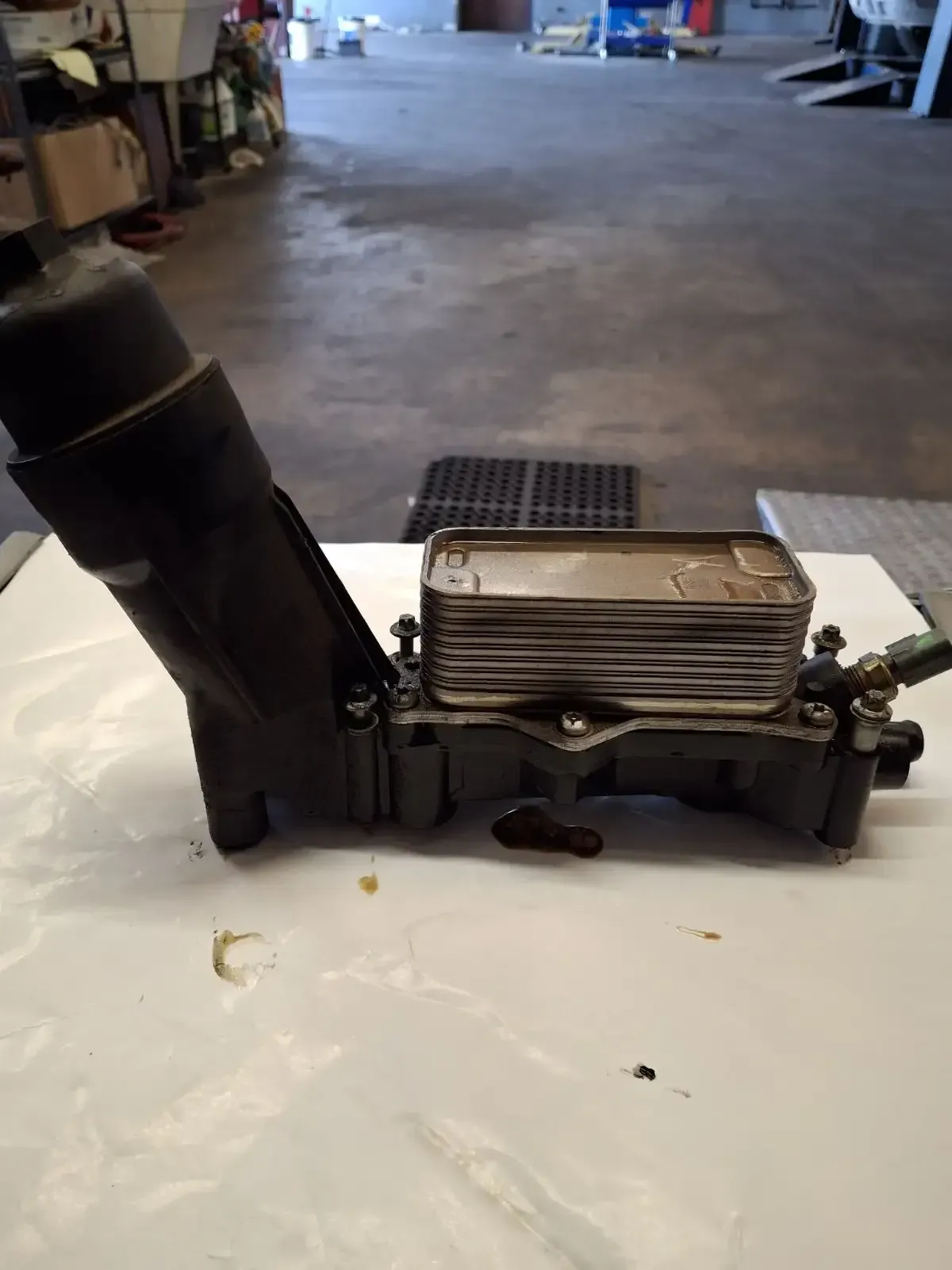
Hello to all my Complete Car Care Friends & soon to be Friends. Here we have a Jeep for which my customer was complaining of a transmission fluid leak. The engine is a 3.6L V6...
October 1, 2024
Hello All. Thank you for considering Complete Car Care for your automotive diagnostic needs. Since 2019, the first Saturday of each month, a group of local NAPA AutoCare Service...
By Complete Car Care • September 26, 2024
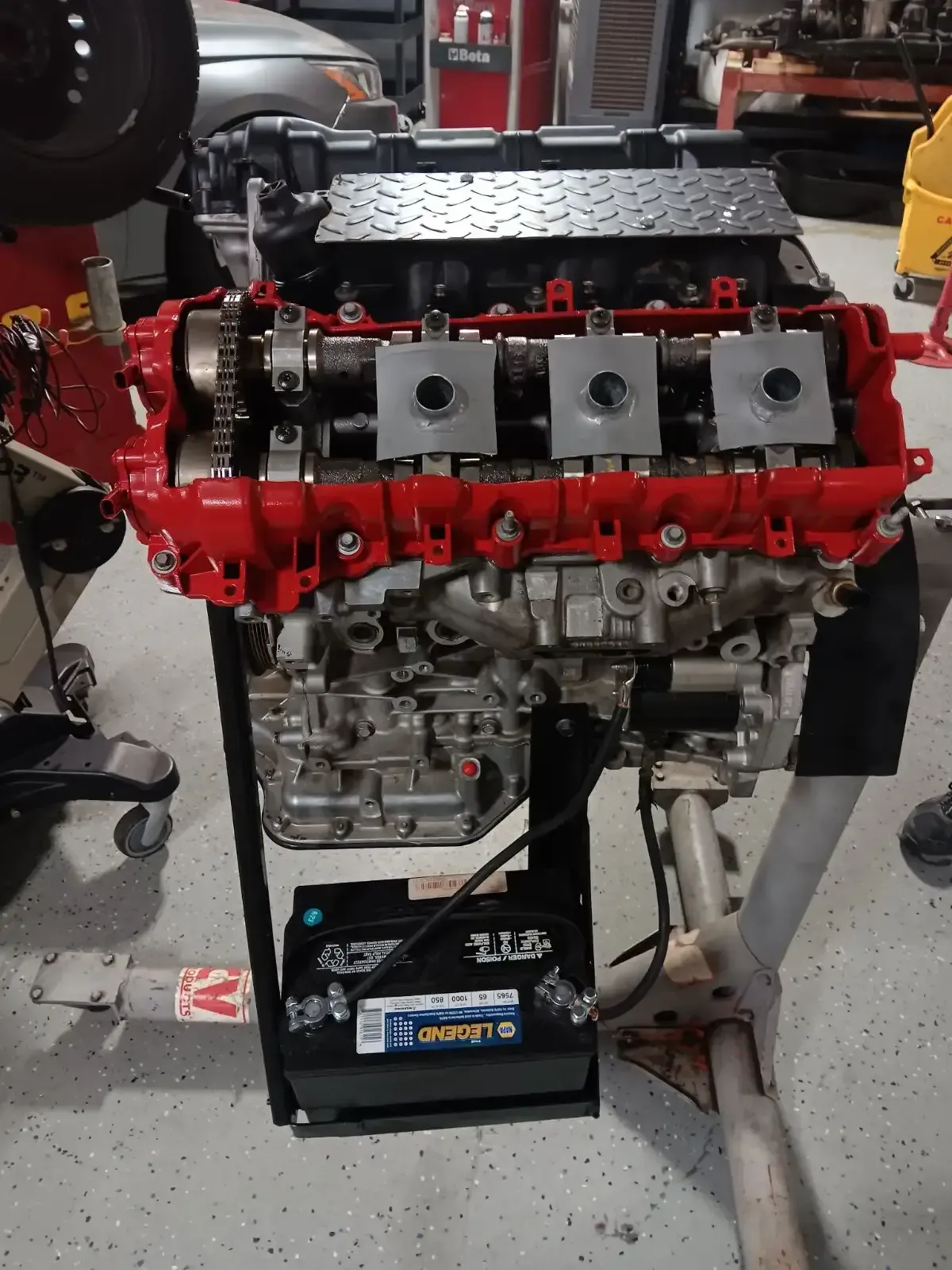
Fresno Unified School Dist. is the 3rd largest school district in California. When you add all the other School Districts, this event at Chukchansi Park is one of the largest high...
By Complete Car Care • December 9, 2016
The Injection Section
By Complete Car Care • November 9, 2016
Don’t Fail Your Water Pump
By Complete Car Care • October 9, 2016
Don’t Anti-Seize the Day
By Complete Car Care • September 9, 2016
Electric Everything
By Complete Car Care • August 9, 2016
The HC Detective
By Complete Car Care • June 9, 2016
To D.I.Y. or Not to D.I.Y
Show More