
To D.I.Y. or Not to D.I.Y

Complete Car Care • June 9, 2016

Share this article

To D.I.Y. or Not to D.I.Y

Hello 93636 and greetings,

This week I attended an Anti-Lock Brake (ABS) update course. The training included the most current diagnostic information and repair procedures for many domestic and foreign vehicles traveling our roadways today. Our instructor is the owner and lead technician of a very successful German automotive repair business in Seattle, Wash. He has 35 plus years of experience, is highly qualified and his classes are in much demand throughout the United States. Unfortunately, there were only about six Central Valley repair shops in attendance. How in the heck are those other shops going to properly diagnosis and repair these ABS systems? The reality is, they won’t.

My shop is the shop of last resort for many. A lot of my new customers are referrals. They have been to several shops prior with no success. I hear these words a lot:

“They ripped me off.”
“They replaced parts I didn’t need.”
“They took my money but didn’t fix my problem.”

Yes, I understand. You have been ripped off but not in the way you think. It is not deliberate and not intentional. The people who worked on your vehicle prior were not qualified. Without proper training and the diagnostic equipment it can become a guessing game. The most expensive diagnostic and repairs are the ones that use the trial and error method.

ASK!!! Make sure you are at an Automotive Service Excellence (ASE) certified shop with ASE certified technicians at a minimum. ASE technicians re-certify every five years so it doesn’t guarantee your chosen facility and technician is qualified. Vehicle complexity increases geometrically annually. It does mean they are somewhat current and meet a basic standard. ASK about their updated and ongoing education and training. We proudly display our training certificates in our customer lounge.

Ok, back to ABS. The ABS System prevents the vehicle’s brakes from locking up and skidding on slippery surfaces and/or during panic stops. This allows you to steer around the object instead of sliding into it. REMEMBER THIS: The ABS may INCREASE stopping distance, so steer AROUND the object. This isn’t bowling so it’s ok to miss. Here’s a basic outline of the process during an ABS action: When the brake pedal is slammed to the floor, hydraulic brake fluid is pressurized by the master cylinder and channeled to each of the vehicle’s four brakes at about 500 pounds per square inch (psi). Each of these channels have an Isolation Valve (normally open) and a Dump Valve (normally closed) controlled by the ABS Module. These valves are essentially gates. When open, fluid flows unrestricted. When closed, fluid flow is blocked. During an ABS event, the module takes control of vehicle braking by closing the Isolation Valves and trapping pressurized brake fluid. You are NOT IN CONTROL – the ABS Module is. If the pressure is too high and a wheel stops spinning (skidding), the Dump Valve is opened to reduce off some of the applied pressure. Once the wheel is spinning again the module closes the Dump Valve trapping the remaining fluid. Ok, how do we re-apply that brake once the applied pressure is reduced? Modern ABS Systems incorporate a high pressure pump and an accumulator or reservoir. When the vehicle’s key is turned to the “Start or Run” position, the high pressure pump fills the accumulator in anticipation of an ABS action. At 2,400 psi the brake fluid flows quicker allowing the ABS Module more precise control. The pressurized fluid in the accumulator (not the master cylinder) is what the module uses to control ABS braking. Pushing the brake pedal harder will not stop the vehicle any sooner. Also, you may feel a pulsation at the brake pedal and/or hear a buzzing noise. It’s not defective; that’s normal.

I like to be proactive. I find a parking lot somewhere where there are no other vehicles so I can safely make a couple of panic stops. The slicker the better. That way I know in advance how my vehicle will react during an ABS event.

Ok 93636 “Do It Yourselfers,” here’s the primary reason for this article: ABS accumulators are discharged at some point after the key is turned off. Some vehicles discharge their accumulators while performing a brake system check. These types of ABS Modules use an accumulator high pressure fluid to apply the brakes, perform a pressure test, then reduce the applied pressure by opening the dump valve. Do-It-Yourselfers, did you get that? Your vehicle can apply its brakes all by itself! What happens if the “Brake Self Test” occurs while you are changing the brake pads? BIG BIG PROBLEMS. It happens and it’s dangerous. Some vehicles require the use of a scan tool to place the ABS in “Stand Down Mode” prior to any brake service. If you don’t have the scan tool – STOP!

Now, this is where this article should end. I know however there are many risk takers, like me, that won’t let a little danger stop us. It gets our blood circulating. If you insist on continuing in spite of the danger, let me tell you what I would do if my scan tool would not “Stand Down” an ABS. I am NOT ADVISING ANYONE TO USE THIS PROCEEDURE! I’m telling you what I would do to decrease my risk.

I would remove ALL ABS fuses and attempt to “power down” the module. If I could not find ALL the ABS fuses or I was not sure, I would disconnect the vehicle’s battery, knowing all the learned adaptive values might be lost and I may need to drive the vehicle for a while in order for it to relearn and run well again. If your ABS Module type uses capacitors (stores voltage) as a backup power system, after removing the battery cables from the battery I would touch the positive and negative battery cables TOGETHER, for at least five minutes to discharge any capacitors.

DO NOT TOUCH THE CABLES TOGETHER WHILE THEY ARE CONNECTED TO THE BATTERY!

That mistake could destroy the vehicle’s electronics.

Do-It-Yourselfers, no disrespect, but there are some vehicle repairs that untrained and unqualified persons should not attempt. Brake systems are now one of those repairs. In my opinion not all automotive repair shops are qualified either. Be careful, use your brain and do your homework.

If you have any general or specific vehicle questions or suggestions for future topics, contact me at complete_car_care@hotmail.com or leave a message at the Complete Car Care Facebook page.

God Bless America and God Bless
93636.
Warren Parr
ARD License # 117312
Emissions Inspector Lic. #EO139887

Recent Posts

By Complete Car Care • October 22, 2024
Codes P0171 (Lean Bank 1) & P0175 (Lean Bank 2) are probably the two most common emissions codes we deal with on a daily basis. The fundamental failure is that the Oxygen Sensor...
By Complete Car Care • October 22, 2024
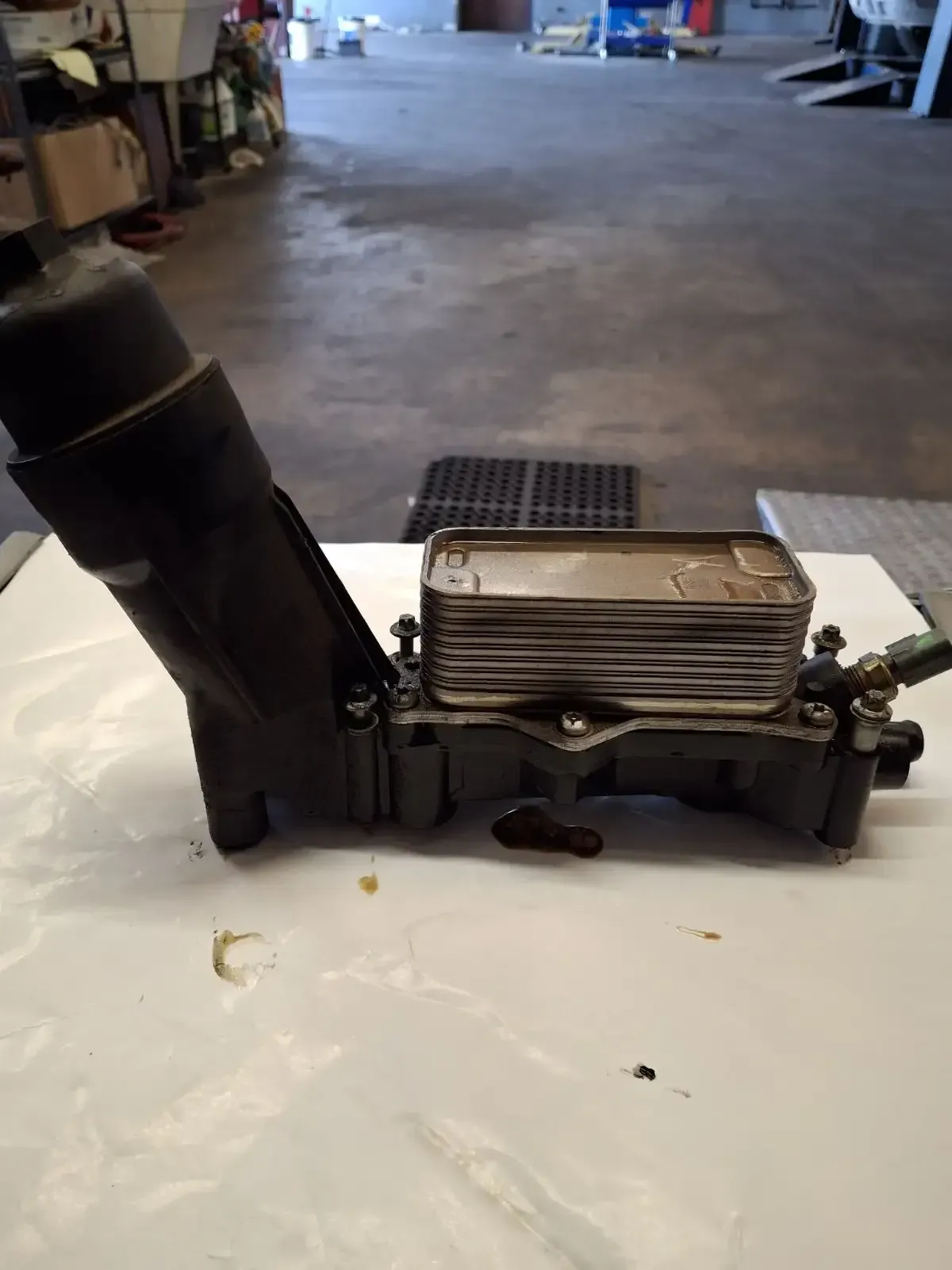
Hello to all my Complete Car Care Friends & soon to be Friends. Here we have a Jeep for which my customer was complaining of a transmission fluid leak. The engine is a 3.6L V6...
October 1, 2024
Hello All. Thank you for considering Complete Car Care for your automotive diagnostic needs. Since 2019, the first Saturday of each month, a group of local NAPA AutoCare Service...
By Complete Car Care • September 26, 2024
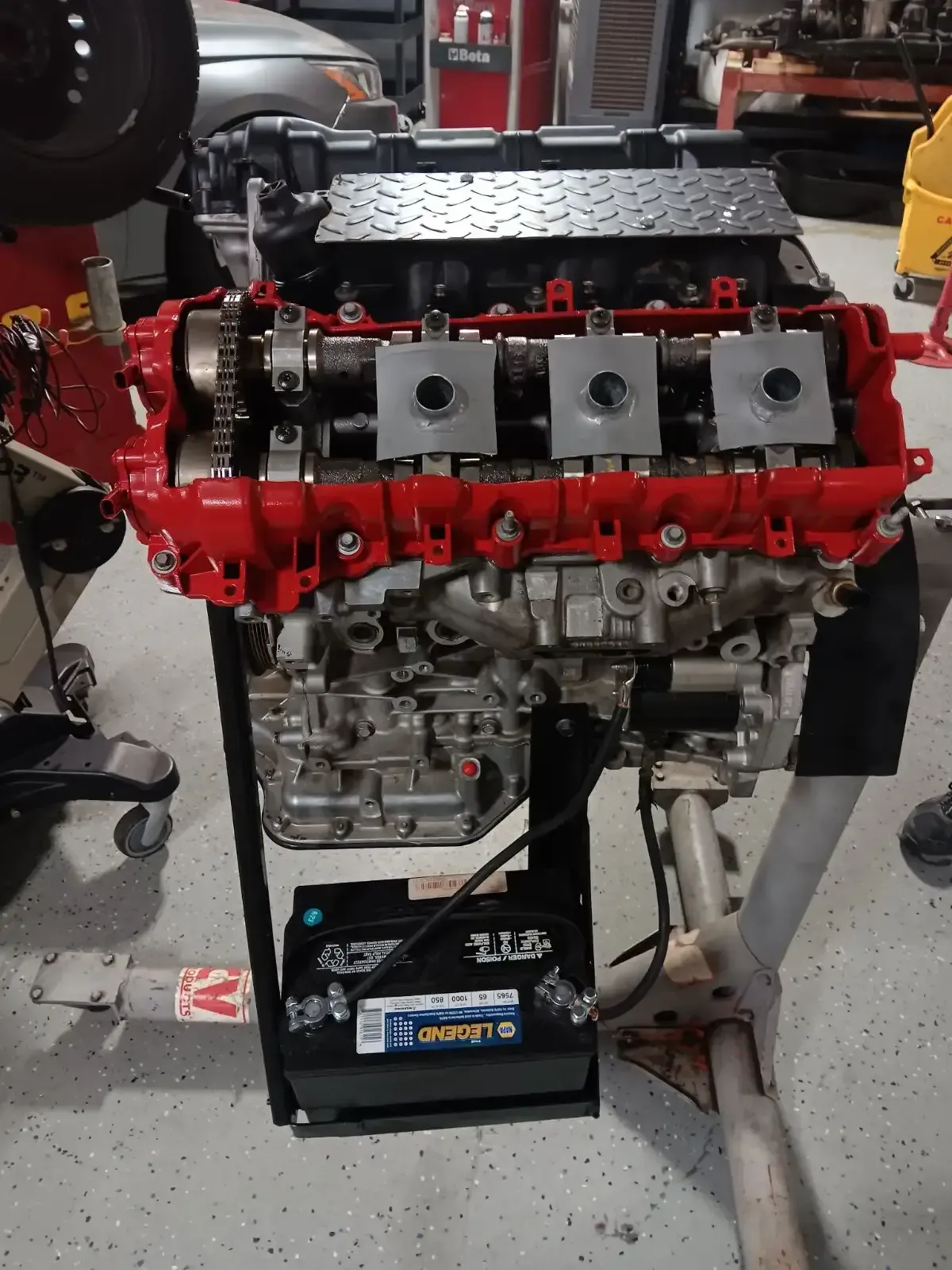
Fresno Unified School Dist. is the 3rd largest school district in California. When you add all the other School Districts, this event at Chukchansi Park is one of the largest high...
By Complete Car Care • December 9, 2016
The Injection Section
By Complete Car Care • November 9, 2016
Don’t Fail Your Water Pump
By Complete Car Care • October 9, 2016
Don’t Anti-Seize the Day
By Complete Car Care • September 9, 2016
Electric Everything
By Complete Car Care • August 9, 2016
The HC Detective
By Complete Car Care • July 9, 2016
How to Keep Cool
Show More