The Injection Section
Hello 93636,
When I began my professional automotive career in 1985, carburetors were the predominate fuel delivery systems of the day. BMW, Mercedes and some other automotive manufactures did have some fuel injected vehicles in production but they were primarily mechanical fuel injection. As “CAFE” (Corporate Average Fuel Economy) standards increased in the U.S., pressure for improved fuel mileage also increased, making way for the modern computer-controlled fuel injection vehicles.
One of the earliest electronic fuel injection designs was the throttle body system. It looked like a carburetor bolted on top of the intake manifold with wires connected. Fuel was sprayed into the intake manifold plenum where it was mixed with air and waited for an intake valve to open. These systems operated at very low fuel pressures (10-13 p.s.i.). They worked well but weren’t much more fuel efficient then their predecessor, the carburetor. Throttle body was followed by the early generations of port fuel injection. These systems incorporated a fuel injector for every cylinder, relocated the injector to the bottom of the intake manifold runners and the fuel pressure was increased to a whopping 30-40 p.s.i. The first generations of port fuel injection did not control the fuel injectors individually. They were controlled by the computer in pairs or sets called “Gangs.” Better still, but port fuel injection would eventually evolve into sequential fuel injection. With sequential fuel injection, each fuel injector is controlled individually and the fuel is directed at the intake valve at 60 p.s.i. just prior to its opening.
The newest version of gasoline fuel injection is gasoline direct injection. GDI engines are the fastest growing segment of the modern gasoline engine market. Seventy-five percent of vehicles sold in America are now GDI vehicles. GDI incorporates a high-pressure plunger type fuel pump driven by an additional lobe on the camshaft. Fuel pressures reach 3,000 p.s.i.
GDI engines come in two basic fla vors: traditional solenoid-type fuel injectors and piezo electric-type fuel injectors. The traditional solenoid-type injector is an electromagnet. When electrical current passes through the coil of wire inside the fuel injector, it creates a magnetic field. The magnetic field attracts the metal valve inside the injector upward allowing gasoline to pass on through. Because GDI operates at much higher fuel pressures, a stronger magnetic force is required to lift the valve. GDI solenoid fuel injectors operate at voltages ranging from 60-100 volts.
GDI piezo fuel injectors are a completely different animal. Piezo injectors use hundreds of thinly sliced crystal wafers stacked on top of each other. When a crystal wafer is subjected to an electrical shock, it expands and remains in that condition until it’s shocked again. A single wafer expands little but hundreds stacked on top of each other expand enough to open the injector. Piezo injectors operate at voltages as high as 450 volts. The higher voltages increase the opening and closing speeds of the Piezo injectors allowing up to five injections per ignition event.
GDI systems do not mix gasoline and air in the intake manifold. They are separated until just prior to ignition. When the intake valve opens, the air entering the cylinder is swirled around in an outer ring. The fuel injector is positioned in the cylinder head so the gasoline is directed at a ramp machined into the top of the piston. The ramp concentrates and redirects the gasoline upward directly under the spark plug in the center of the ring. If you could see inside the cylinder it would look like a donut. The hole in the middle is the pocket of concentrated gasoline. The outer ring is primarily air. When the pocket of gasoline is ignited, a chain reaction begins. The initial pocket of fuel is just enough to start the flame front and is rapidly followed by a series of additional injection events adding just enough gasoline to keep the flame front moving. As the flame front travels outward it ignites the oxygen in the outer ring. This process requires a much lower air/fuel ratio and thereby increases fuel mileage and power.
Unfortunately, GDI systems have some serious draw backs. GDI technology increases fuel mileage but it also increases maintenance costs. Because GDI systems do not spray gasoline into the intake manifolds, the detergents in the gasoline never comes into contact with the manifold side of the intake valves and oil deposits on top of the valve are not washed away. The oil deposits are baked onto the valve surfaces creating carbon build up. Once a sufficient amount of carbon is accumulated on the back side of the intake valve, the air entering the cylinder tumbles instead of swirls. This disrupts the donut pattern in the cylinder and the ignition sequence is compromised. The malfunction indicator lamp in the dash will illuminate and a misfire code P0300 will be set.
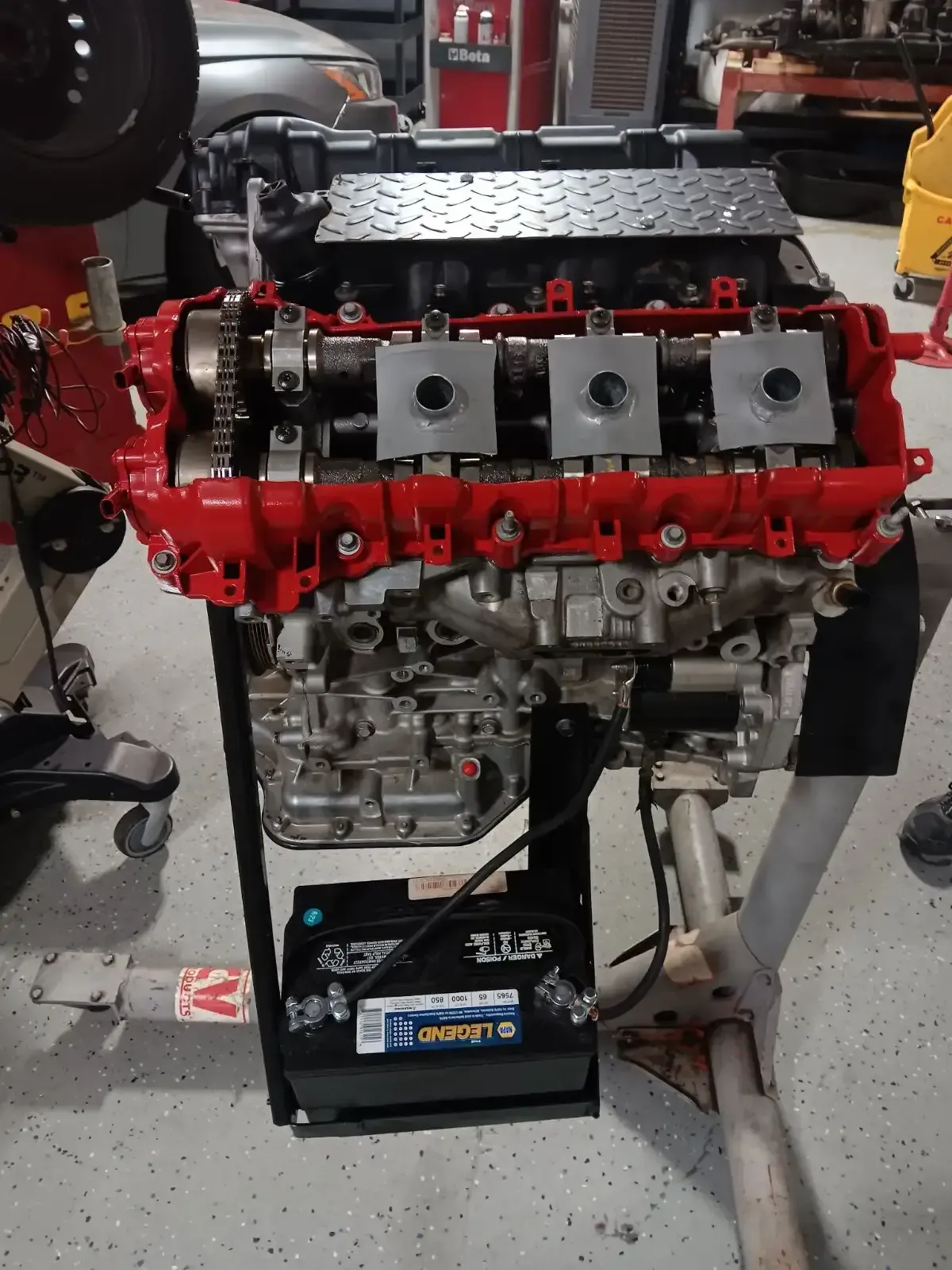
At this time the only way to remove the internal carbon deposits is to disassemble the engine and blast the carbon off using walnut shells. This process is obviously time consuming and costly. There are a couple of proactive ideas being circulated that may be helpful. One idea says switching to synthetic oil helps. Regular motor oil is derived from petroleum-based chemical compounds including hydrocarbons. Eliminating carbon from your oil sounds like a good strategy to me.
The second idea suggests an addition to our routine maintenance schedules. Periodically a chemical should be sprayed into the intake manifold reducing carbon deposits before they have time to accumulate. I’m not sure about the second. It’s possible the chemical may destroy the catalytic converters. In that case the cure is worse than the disease. I know many of us have these vehicles parked in our driveways so as more information becomes available I’ll be sure to pass it on.
As always, I am looking for future topics. If you have any suggestions or questions concerning a vehicle, I can be contacted at complete_car_care@hotmail.com or Facebook me at Complete Car Care.
Please have a Merry CHRISTmas and a happy and prosperous New Year.
God Bless America and God Bless 93636,
Warren Parr