Getting Electric

Complete Car Care • September 9, 2015

Share this article

Getting Electric

Hello 93636.
Liberty High Football 2015 version is here. Every Friday evening I put on my short pants, T-shirt, grab my NAPA hat and sun glasses, two or three grandsons and we’re off to the game. Just around the bend when playoff season arrives, it will be a very different routine. I’ll put on my thermals, long pants, wool socks, sweatshirts, coat, stocking cap, gloves, grab a heavy blanket or two, find the umbrella and backpack, do the same thing with my grandsons and finally we’re off. Hope we make it before the end of the first quarter. Winter can be tough on the old body. After the game, we jump in the Grandpamobile, start the engine, turn on the front and rear window defrosters, mirror and seat warmers, the headlights, windshield wipers, the radio (talk radio) and if I had it, the entertainment center. Just for fun, I will let the grandsons sit in my lap and celebrate the drive home by laying on the old horn. Little boys really know how to celebrate with the horn.

Winter weather is also tough on vehicles. Your vehicle is about to enter its most stressful period of normal operation. Because of the change in weather, huge electrical loads will be common for your vehicle’s electrical system. Systems usually fail during their greatest loads and for the electrical system that’s cold, rainy weather.

To increase fuel mileage, today’s vehicles have been placed on mega diets. As a result, the alternators and batteries were down sized. At the same time electrical demands have increased. Alternators manufacture electrons and pump them to the battery. The battery is a warehouse where those electrons are stored awaiting use. In my opinion, the most important component of your vehicle’s electrical system is the battery. Weak batteries destroy electrical components. Here’s an example: When a battery is weak the alternator swings into action thinking the Getting Electric battery just needs a charge. If the battery is in poor condition it never fully charges, the alternator is over worked and fails prematurely. Semi-weak batteries do not usually display big symptoms until they are about to die, so let’s check out those batteries.

Sometimes the most difficult thing is finding the battery. Get out the owner’s manual and look up the battery’s placement. If you can’t find the manual, Google it. If you still can’t find it send me an email.

Today’s discussion is about Flooded Lead Acid (FLA) batteries which are the most common type in the automotive world. A Prius, for example, has a 12 volt battery in addition to the high voltage battery pack, which is an Absorbent Glass Mat (AGM) battery. AGM batteries can be installed to upgrade a vehicle’s FLA battery. Be sure which one you have – AMG batteries are different and are recharged and serviced differently.

Let’s get started. BE CAREFUL! Take some precautions. This little guy can be dangerous. Don’t get battery acid on you. I recommend rubber gloves and eye protection. Don’t breathe the stuff either. Make sure you are in a well-ventilated area and there is plenty of water next to you for immediate use. If you get acid on you, neutralize it with water and wash it off. Remove ALL metal from your body. No conductors please! OK, consider yourself warned.

First, visually inspect your battery. AMG or FLA? There should be NO corrosion on the battery cable ends or the battery posts. If you find corrosion, get out the baking soda and water. Mix it up and pour. It will dissolve the corrosion. If you break down, 7-Up works well also. If you have the tools, you may want to disconnect the battery cables (negative post first ALWAYS!) and wire brush the corroded connections. Let me WARN YOU here. You can get yourself into a lot of trouble by disconnecting the battery if you don’t know your vehicle. Make sure you email me before you break it, that’s free. If I have to fix it, it’s not ($$$). Vehicle manufacturers can have some pretty odd battery replacement procedures. Failure to follow their procedures can be a very expensive mistake, especially on new and higher end cars. I use a battery replacement manual and a memory saver so I avoid most problems. When power is interrupted to the vehicle’s computers, the computer’s adaptations and memory can be lost. If this happens, the best case is the vehicle will return to its base settings. If the vehicle is not running correctly, take it out and drive it until it relearns and runs normally again. On some vehicles, like BMWs, some modules may have to be reprogramed. If the radio doesn’t work, you will have to reload the anti-theft code and reset its presets. When finished make sure the connections are good and tight.

If the battery has removable caps, top off the six cells with DISTILLED WATER only. By the way, ONLY DISTILLED WATER in the Cooling System also. Check and make sure the battery is secure. Don’t want it sliding around and tugging on the battery posts. That’s about all you can do at home. Make sure at your next service you have the electrical system properly load tested.

Next find the alternator (electron pump) and give the belt a tug. The belt should flex approximately 1-2 inches. A loose belt is a slipping belt. If the drive belt is slipping, the electron pump is not pumping electrons efficiently. Check the headlights, running and brake lights, the emergency flashers and turn signals, windshield wipers and fluid.

OK, had a lot more to say but I’ve used up my 750 words. If you need more information you can always send me an email at complete_car_care@hotmail.com. That address can also be used for suggestions about future topics.

God Bless.
Warren Parr
California Smog License
#EO139887
California Star Station #117312

Recent Posts

By Complete Car Care • October 22, 2024
Codes P0171 (Lean Bank 1) & P0175 (Lean Bank 2) are probably the two most common emissions codes we deal with on a daily basis. The fundamental failure is that the Oxygen Sensor...
By Complete Car Care • October 22, 2024
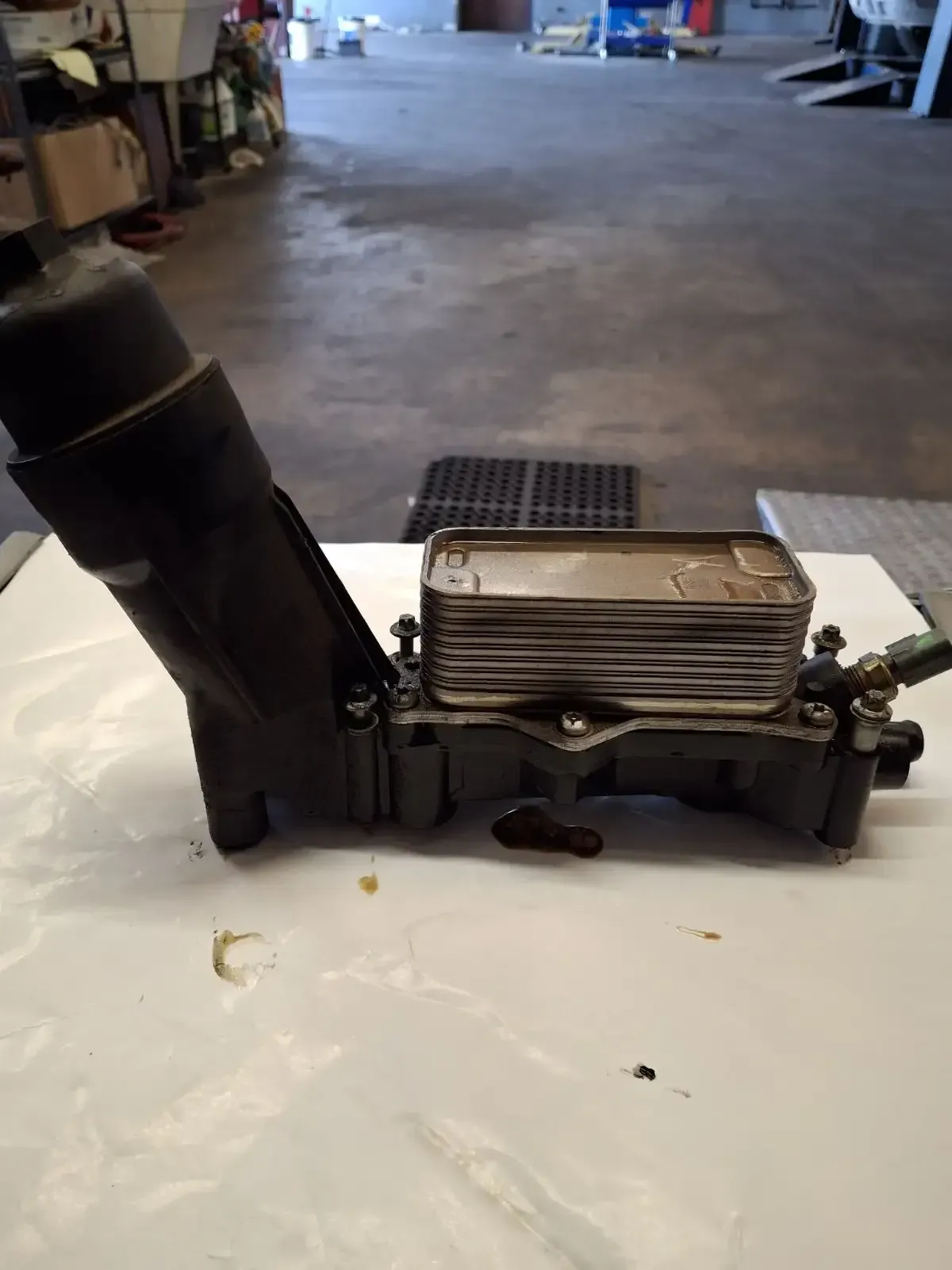
Hello to all my Complete Car Care Friends & soon to be Friends. Here we have a Jeep for which my customer was complaining of a transmission fluid leak. The engine is a 3.6L V6...
October 1, 2024
Hello All. Thank you for considering Complete Car Care for your automotive diagnostic needs. Since 2019, the first Saturday of each month, a group of local NAPA AutoCare Service...
By Complete Car Care • September 26, 2024
Fresno Unified School Dist. is the 3rd largest school district in California. When you add all the other School Districts, this event at Chukchansi Park is one of the largest high...
By Complete Car Care • December 9, 2016
The Injection Section
By Complete Car Care • November 9, 2016
Don’t Fail Your Water Pump
By Complete Car Care • October 9, 2016
Don’t Anti-Seize the Day
By Complete Car Care • September 9, 2016
Electric Everything
By Complete Car Care • August 9, 2016
The HC Detective
By Complete Car Care • July 9, 2016
How to Keep Cool
Show More